
Bear sculptures have fascinated artists and collectors for centuries. These powerful pieces of wildlife art capture the spirit of nature while adding visual impact to gardens, parks, and public spaces. Today, bear sculptures are used not only for decoration but also to create meaningful focal points that celebrate wildlife and craftsmanship.
Many people choose a bear sculpture because of what the animal represents. Strength, resilience, and protection are qualities often associated with bears, and these symbolic traits translate beautifully into sculptural art. Whether placed in a landscaped garden or displayed in a large outdoor space, the right sculpture can transform the atmosphere of the environment.
This guide explores the different styles, materials, and display ideas for these sculptures while helping you understand how to choose one that suits your space.

Why Bear Sculptures Remain Popular in Outdoor Art
Wildlife art continues to grow in popularity, especially in landscape design. Among animal sculptures, bear sculptures stand out because they carry both artistic presence and cultural meaning. Their strong posture and distinctive form naturally draw attention.
Many designers and property owners incorporate sculptures to create visual interest in outdoor areas. Bears are often chosen because they symbolise wilderness and power. This makes them especially suitable for gardens that emphasise natural elements such as stone, wood, and water.
Another reason these sculptures remain popular is their versatility. Some pieces focus on realistic detail, capturing the fur texture and movement of the animal. Others take a more abstract approach, highlighting shapes and lines to create a modern artistic interpretation.
Because of this flexibility, these sculptures can fit equally well in rustic landscapes, modern gardens, or large public parks.
Styles of Bear Sculptures Found Today
Artists produce wildlife sculptures in many different styles, each with its own visual character. Among these artistic forms, bear sculptures stand out for their ability to capture both strength and personality. Understanding these styles helps you select a piece that complements the environment where it will be displayed.
Realistic wildlife sculptures aim to replicate the natural form of the bear as closely as possible. Artists carefully study anatomy, posture, and behaviour to create lifelike pieces that feel dynamic and expressive. These works often appear in nature parks and wildlife centres where detailed animal representation is valued.
Contemporary interpretations take a different approach. Rather than focusing on precise detail, artists experiment with shapes, materials, and textures. These pieces may use simplified lines or geometric forms to represent the animal in a creative and modern way.
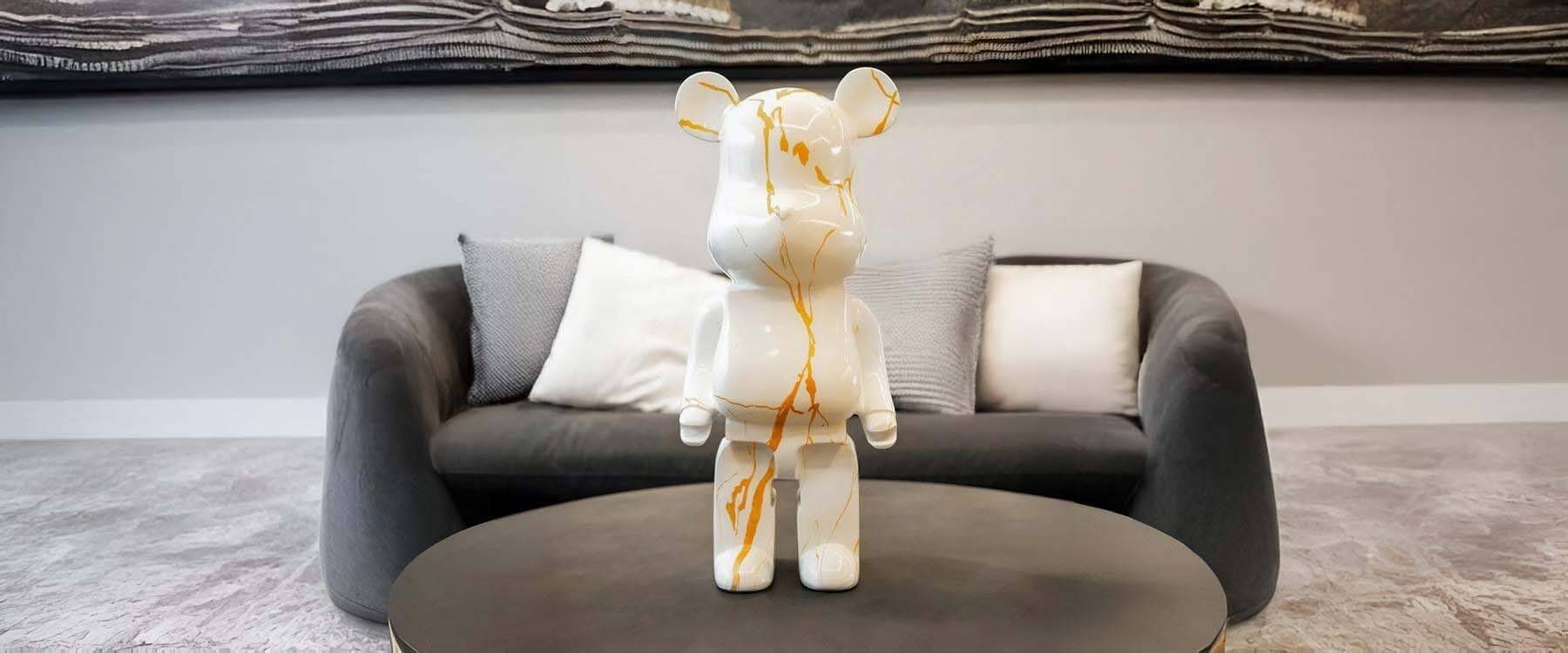
There are also decorative versions designed for indoor or small outdoor spaces. These compact artworks often highlight the charm of the animal in a simplified form. For collectors looking to add subtle wildlife accents to a space, small bears can introduce artistic character without dominating the setting.
Each style serves a different purpose, but they all reflect the enduring appeal of wildlife sculpture in art and design.

Materials Used to Create Bear Sculptures
The material chosen for a sculpture strongly influences its appearance, durability, and maintenance requirements. Artists often select materials that suit both the artistic concept and the intended environment.
Bronze and Metal Sculptures
Bronze is one of the most respected materials in sculpture. It allows artists to achieve remarkable detail while remaining highly resistant to outdoor weather. Over time, bronze develops a natural patina that enhances the visual depth of the piece.
Modern metal sculptures sometimes use stainless steel or welded steel. These materials create bold, contemporary designs that work particularly well in architectural landscapes.
Because of their strength and longevity, metal bear sculptures are often used in public spaces and large gardens.
Stone Sculptures
Stone sculptures convey permanence and strength. Materials such as granite, marble, and limestone allow artists to carve durable wildlife figures capable of lasting for generations.
Stone pieces often highlight the powerful silhouette of the bear rather than intricate surface detail. This style gives the sculpture a timeless and monumental appearance.
Wooden Sculptures
Wood carvings offer a warmer and more organic aesthetic. Artists frequently carve bears directly from tree trunks, preserving the natural grain and texture of the wood.
These sculptures work particularly well in woodland gardens, cabins, and rustic landscapes where natural materials dominate the design.

Choosing the Right Size for Your Landscape
Size is one of the most important factors when selecting a sculpture. The scale of the artwork should complement the surrounding space while maintaining visual balance.
Medium-sized sculptures are often the most versatile option. They provide a noticeable presence without overwhelming the garden or pathway. In many landscapes, medium bears create the perfect centrepiece while still allowing surrounding plants and features to remain visible.
When selecting a sculpture, consider how people will interact with the space. A piece placed near seating areas or garden paths allows visitors to appreciate the craftsmanship up close.
The goal is to ensure that bear sculptures feel integrated into the landscape rather than appearing out of proportion.

Best Places to Display Bear Sculptures
Placement can dramatically influence how a sculpture is experienced. Even a beautifully crafted piece may lose its impact if positioned poorly.
Entrance areas are one of the most effective locations for sculptures. A bear placed near a garden entrance immediately establishes character and creates a memorable first impression.
Another excellent location is beside a pathway or trail. When visitors encounter bear sculptures along a walking route, the artwork becomes part of the overall journey through the landscape.
Water features can also provide a stunning backdrop. Reflections on the surface of a pond or fountain can enhance the visual presence of the sculpture while creating a peaceful atmosphere.
In large landscapes or estates, scale becomes especially important. Expansive lawns and open areas often benefit from dramatic centrepieces. In these settings, large bears can define the entire character of the space and become landmarks that draw attention from a distance.
How Bear Sculptures Enhance Outdoor Spaces
A sculpture does far more than decorate a garden. It helps shape the experience of the space and guides how visitors interact with the environment.
One of the main benefits of bear sculptures is their ability to create focal points. A carefully placed sculpture draws the eye and gives structure to the landscape design.
They also add personality to outdoor environments. A wildlife sculpture can reflect a connection to nature and remind visitors of the animals that inhabit natural ecosystems.
Some key ways sculptures enhance outdoor areas include:
Creating a central visual feature in a garden
Adding artistic identity to a landscape design
Celebrating wildlife and natural themes
Encouraging visitors to explore the surroundings
Complementing natural materials like stone, wood, and water
Because of these qualities, landscape designers often incorporate sculptures as permanent elements within their plans.
Cultural Meaning Behind Bear Sculptures
Beyond their visual appeal, bear sculptures carry strong symbolic meaning. Throughout history, bears have appeared in myths, legends, and cultural traditions around the world.
In many cultures, the bear represents strength and protection. Some traditions view it as a guardian spirit connected to forests and mountains. Artists often incorporate these symbolic ideas into their work.
The posture of the sculpture can also communicate different messages. A standing bear may suggest alertness and authority, while a resting bear might express calm strength and stability.
This deeper symbolism gives these artworks a sense of narrative. Rather than being purely decorative objects, they become meaningful representations of the relationship between humans and the natural world.

Conclusion: Bringing Wildlife Art into Your Space
Bear sculptures combine artistic craftsmanship with the powerful symbolism of one of nature’s most respected animals. Their strong forms, varied materials, and flexible placement options allow them to enhance a wide range of environments, from small gardens to expansive outdoor landscapes.
Understanding the styles, materials, and display possibilities helps ensure that a sculpture fits naturally into its surroundings. When chosen thoughtfully, bear sculptures can create a focal point that adds both character and meaning to a space.
If you are looking for striking wildlife artwork designed for outdoor environments, exploring collections from Giant Sculptures is an excellent place to begin. The right sculpture can transform an ordinary landscape into a memorable artistic setting, leaving a lasting impression on everyone who visits.